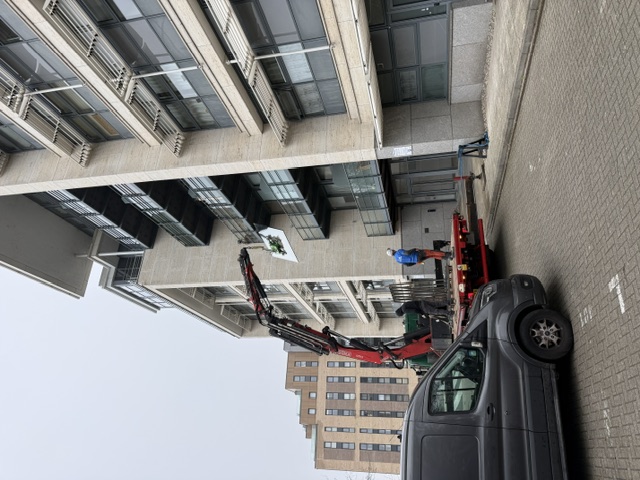
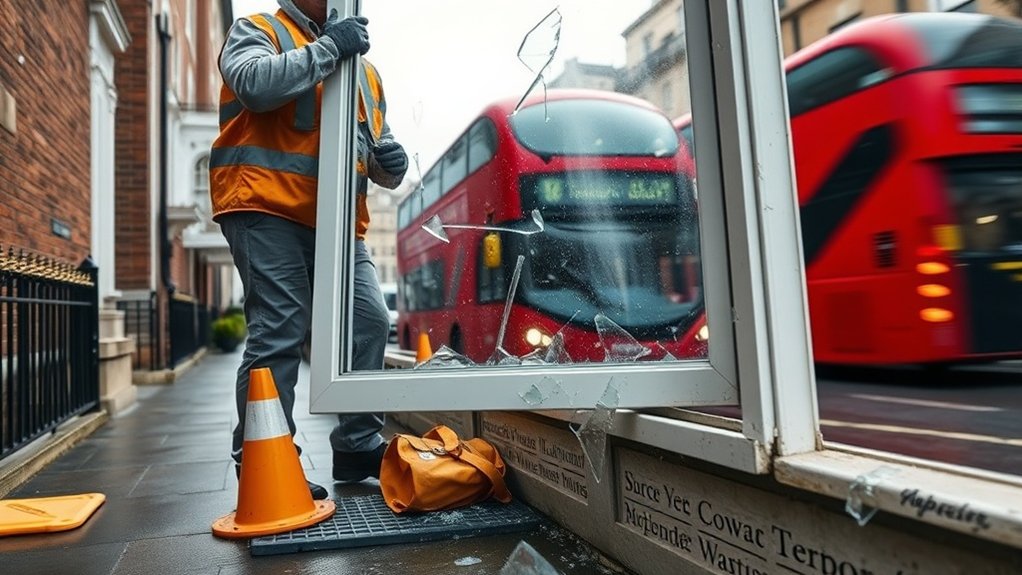
A smashed pane in Vauxhall needs quick, careful handling. Keep people out of the room, switch off sockets near the broken glass and leave the shards alone until you have gloves and eye protection. Then call an emergency glazier who can board the opening, check the frame is sound, identify the right safety glass for the location and fit a replacement that meets BS EN standards and satisfies your insurer. The rest of this page covers choosing the right glass, controlling cost and preventing a repeat.
Key insights
- Round-the-clock emergency glass replacement and boarding-up across Vauxhall for broken windows, door panels and shop fronts.
- We identify the glass type, whether annealed, toughened, laminated or patterned, and replace it like for like or upgrade to safer glazing.
- The service includes safe removal of broken glass, licensed waste disposal, temporary weatherproofing and compliance with BS 6206 and BS EN 12600.
- Quotes are itemised by glass specification, access, building type and insurance needs, with written guarantees and paperwork for your claim.
When You Need Emergency Glass Replacement in Vauxhall
A window, door panel or shop front that shatters without warning is a safety and security problem first and a glazing job second, and it often calls for emergency glass replacement in Vauxhall, SW8. The urgency is greatest where the breakage leaves the building open to the weather, exposes the interior to view or removes a secure boundary, particularly on a street-facing elevation or a main entrance.
Cracks that are spreading across a toughened or laminated unit after an impact also deserve same-day attention, because such units can let go suddenly. Any failed glazing beside a public pavement, a stairwell or working machinery should be dealt with immediately, as should a shop front where the business needs to keep trading.
First Steps to Make Your Property Safe and Secure
Before anyone looks at the glazing itself, make the area safe and stop anyone getting in. Close doors to the room, put up a temporary barrier and, in a shop or office, use signs to keep people away. Turn off the electrical circuits nearby if glass and rain or moisture could meet.
Put on cut-resistant gloves and eye protection before touching anything. Lift large pieces into a rigid container; a vacuum cleaner is fine on hard floors but never on carpets, where fragments bury themselves. Look for a damaged frame and any harm to decorative or antique glass that will need specialist attention, then cover the opening with sturdy sheeting or board, sealed tightly at the edges, until the glazier arrives.
Emergency Boarding vs Full Glass Replacement
Once a pane has gone, you have to choose between securing the opening with boarding and going straight to a new pane of glass. The decision rests on exposure to the weather, how easily an intruder could get in, whether the frame is stable and what kind of glass was fitted originally. Knowing when boarding up is the only safe option and when immediate reglazing is both safe and economical gets the property properly protected sooner.
When Boarding Is Essential
Boarding is needed when the opening weakens the structure, leaves the building open to rain or thieves, or when the remaining shards are too dangerous to work around. Damaged shop fronts, shattered doors in busy entrances and broken decorative panels all need containing straight away. A temporary panel also takes the strain off the frame and hardware so you can specify a laminated or specialist replacement without being rushed. In buildings of more than one storey, emergency boarding is essential whenever loose fragments could fall onto pedestrians or parked cars.
Choosing Full Replacement
A board stops the rain and the burglars but gives you no daylight, no sound insulation and poor thermal performance. Replacement is the answer when impact damage, chipped edges or a distorted frame has reduced the strength of the glass or voided its certification. Check whether the original pane would meet current requirements, including the BS EN safety glass standards, containment in critical locations and energy performance targets. In busy or high-risk areas, specify laminated or toughened glass, and use the replacement as the moment to reset hardware, seals and framing so the whole assembly works as a compliant, durable unit with full safety compliance.
Broken Glass Types and the Replacements You’ll Need
Different glass breaks in different ways and carries different hazards, so identifying the type that failed comes before choosing its replacement. The aim is to get the right impact resistance, breakage behaviour and long-term performance, while respecting any decorative or craft glass in the opening. How the glass broke points to the right replacement:
- Annealed float glass – long, razor-sharp shards; usually replaced with a thicker pane or upgraded to safety glass.
- Toughened safety glass – small granular cubes; the new pane must match thickness, edge finish and carry a heat-treatment stamp.
- Laminated glass – cracked but held together; choose the interlayer for UV protection, security or acoustic performance.
- Patterned or decorative glass – broken textures or inserts; replaced with the same pattern where it is still made, or a close modern equivalent.
Choosing Safe, Secure Glazing for Vauxhall Properties
The replacement should actively improve safety, security and compliance for a Vauxhall property. Three things decide the specification: resistance to impact, whether the glass stays in one piece when broken, and how easily it can be forced from outside. Use laminated safety glass in doors, sidelights, glazing below 800 mm from the floor and street-facing windows; the interlayer holds the fragments and resists attack. Where the risk is higher, specify security laminates tested to the relevant EN standard.
In a period property, slim laminated units can keep the original sightlines, or a laminate can go on the inner pane while the historic decorative glass stays on the outside. On upper floors, toughened or heat-soaked toughened glass reduces the risk of spontaneous breakage. Confirm the U-value, acoustic rating and frame compatibility before ordering.
How Glass Replacement Works in Vauxhall (Step by Step)
With the area safe and the specification agreed, glass replacement in Vauxhall follows a set sequence designed to control risk and keep the work compliant. The glazier first cordons off the work area, puts on PPE and checks the frame, fixings and surrounding masonry or timber. Deglazing comes next: beads, sealant and the remains of the old unit come out, with any stained or art glass photographed and measured for replication. The new pane is then offered up, edge clearances and packers are checked along with the drainage paths, and the glass is fixed with compatible sealants and, where needed, fire-rated or security-rated components.
- Site safety set-up and a short risk assessment
- Careful deglazing and inspection of the rebate
- Fitting, sealing and a check of tolerances
- Final clean, compliance sign-off and a digital record of the work
Glass Replacement Costs in Vauxhall, SW8
To judge glass replacement costs in Vauxhall you need a clear breakdown covering materials, labour, disposal and any emergency surcharge. Knowing the cost drivers in advance lets you compare glaziers fairly and be sure the specification still meets the relevant safety standards.
Typical Pricing Breakdown
Most firms give an itemised quote, which lets you weigh safety, durability and appearance against cost. A typical quote splits into:
- Attendance and make-safe: the call-out, a risk assessment and temporary boarding or film.
- The glass itself: float, safety glass or decorative panels priced by the square metre, including edge work.
- Processing: cutting, toughening or laminating, polishing and any acoustic or solar-control interlayers.
- Fitting and compliance: labour, access equipment, sealants, fixings, removal of the old glass and certification.
Factors Affecting Quotes
The glass specification is the biggest factor, with laminated, toughened and low-E glass costing more than plain float, and the thickness and safety rating needed in public or high-occupancy buildings adding further. Access is next: height, road closures and out-of-hours work all raise labour and equipment costs, and listed façades and conservation areas bring extra approvals. Digital templating and pre-assembled units cut time on site but can raise the material price, while alarm sensors or switchable privacy glass are premium items. Lead time, an emergency response and the standard of waste handling all shape the final figure.
Preventing Future Damage With Tougher, Safer Glazing in Vauxhall
A breakage is a chance to fit something better than the original, with glazing suited to the risks and rules that apply in Vauxhall. Laminated and toughened systems stand up to impact, attempted break-ins and thermal stress, and can still satisfy planning constraints and the look you want.
- Laminated safety glass with PVB or stiffer ionoplast interlayers that hold together when struck
- Toughened and heat-soaked panels that reduce spontaneous breakage in taller buildings
- Decorative glass with ceramic frit or embedded films for privacy and solar control
- Frames, fixings and sealants tested together as a system to the BS EN standards
See our main window repair page for the full range of options in Vauxhall. Related work we take on includes double glazed unit replacement and misted double glazing repair.
Frequently Asked Questions
Can I Stay in My Property During the Glass Replacement Work?
In almost every case, yes. The glazier will cordon off the room or the area around the opening, and you simply keep out of it until the shards are removed, the new glass is in and the floor has been cleaned. Keep children and pets elsewhere, and if a security film or tint is applied, avoid touching the glass until it has cured. With dust sheets and controlled glass handling, the disruption is usually limited to a couple of hours.
How Does Broken Glass Replacement Affect My Home’s Energy Efficiency Rating?
It can improve it noticeably if you use the opportunity to upgrade. Replacing a broken single pane or an old sealed unit with modern double or triple glazing cuts heat loss, reduces draughts and keeps the room temperature steadier. Specify a low-E coating, warm-edge spacers and an argon fill. Replacement glazing in England needs to meet the Part L limit of 1.4 W/m²K for the window, and the certificate from a FENSA or Certass installer is useful evidence for an EPC assessor.
Are There Eco-Friendly or Recycled Glass Options Available for Replacements?
Yes. Float glass already contains recycled cullet, and suppliers can offer units with a higher recycled content, low-iron glass and argon-filled cavities with low-E coatings that keep both strength and U-values where they need to be. Ask for conformity to BS EN 1279 for sealed units and the relevant toughening or laminating standards for impact safety. The old glass from your job should go for recycling through a licensed carrier rather than to landfill.
What Warranties or Guarantees Do Glaziers Typically Offer on New Glass Installations?
Expect two separate guarantees. A workmanship warranty, usually one to three years, covers the fitting, sealing and hardware adjustments. A materials guarantee from the glass manufacturer covers seal failure, stress cracks and defects, with five to ten years common on double-glazed units. Both normally exclude impact damage, misuse and building movement, so ask for the terms in writing, including any performance figures the unit is guaranteed to meet.
Summary
When glass breaks in your Vauxhall property, safety cannot wait. Secure the area, arrange emergency boarding if needed, then specify compliant, impact-resistant glazing that meets British Standards. Call us for a free quote on broken glass replacement in Vauxhall and we will make the opening safe the same day.